Designing a regenerative learning village together
United World College South East Asia (UWCSEA), Singapore
Why this project mattered
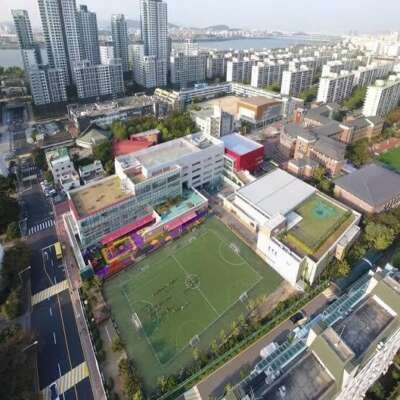
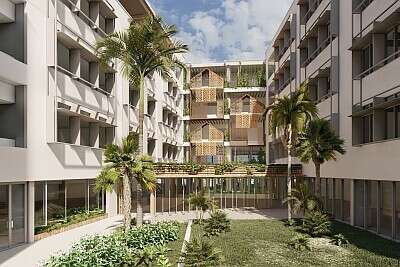
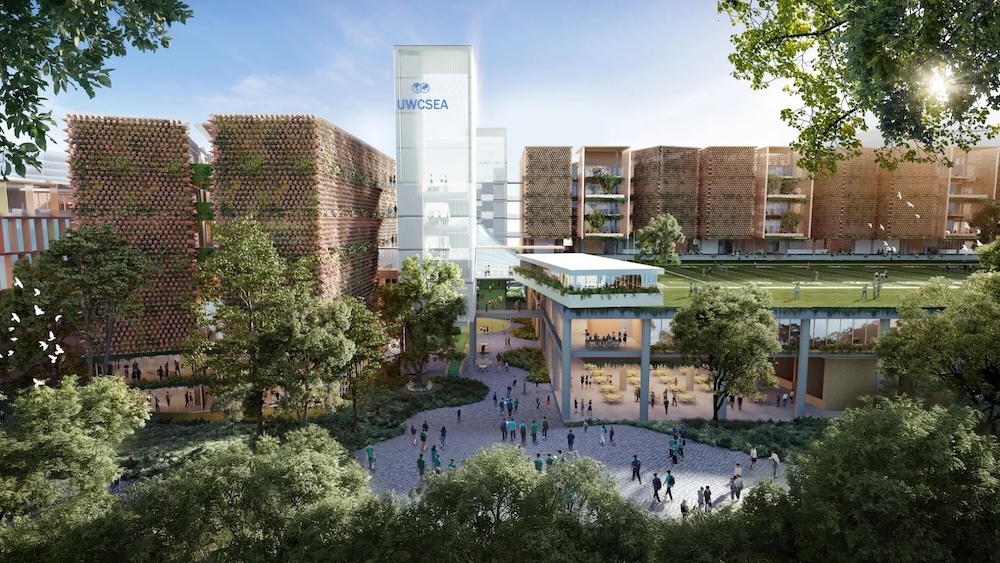
UWCSEA was planning a new 75,000m² campus in Tengah, Singapore’s first forest town. It was a rare opportunity: not just to build more school, but to rethink what a K–12 learning environment could make possible for more than 3,000 students.
Before architects could begin, UWCSEA asked NoTosh to help articulate a clear, shared vision that could guide every design decision.
Challenge and context: high ambition, complex decisions
Designing a new campus from the ground up brought enormous opportunity but also significant complexity. Leadership, educators and architects all held strong views about what the campus should become, yet without a unifying framework there was a risk that decisions would fragment over time. UWCSEA needed a clear way to translate its educational values into spatial intent so that learning, wellbeing and sustainability remained central throughout the design process. NoTosh acted as the bridge between educational ambition and architectural decision-making.
Insight and approach: turning values into spatial direction
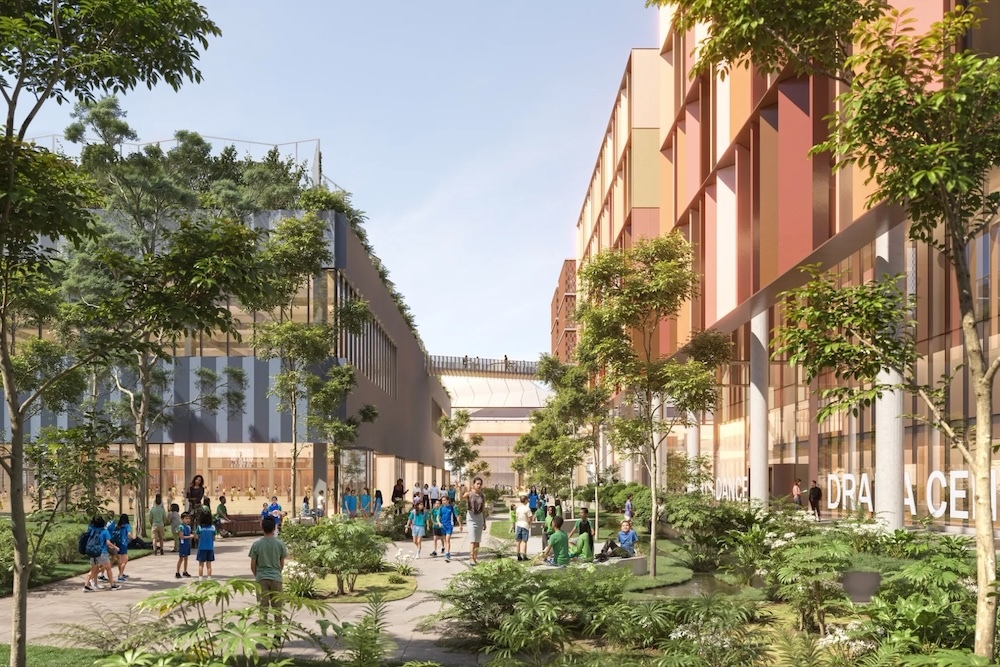
We began by exploring how learning, wellbeing and community already functioned across UWCSEA’s existing campuses, and how these experiences could be reimagined at Tengah. This work revealed that the new campus needed to feel less like a traditional school and more like a connected learning village embedded in nature.:
- Learning should be visible, social and deeply connected to everyday movement
- Landscape should act as a co-teacher, not a backdrop
- Students should experience increasing independence as they grow
- Spaces should support belonging, dignity and wellbeing across all ages
These insights were distilled into a clear vision and a set of Design Principles:
- Global Citizenship in Action
- Regenerative Learning Landscapes
- Designing for Dignity and Belonging
- Campus as Social Infrastructure
- Space That Grows With Us
- Wild Pedagogies in the Everyday
Each of these Design Principles was supported by three design drivers that translated UWCSEA’s mission into practical guidance and inspiring design ideas.
By anchoring early design thinking in lived experience, the vision provided a strong educational compass for the emerging masterplan.
Co-design and engagement: aligning educators, leaders and architects
We worked closely with College leadership and educators to test ideas, challenge assumptions and ensure the vision reflected how learning truly happens at UWCSEA. Structured workshops created space for dialogue between educational and architectural perspectives, helping each group understand how their decisions influenced the other.
This collaborative process built confidence that the emerging design would remain aligned with UWCSEA’s values as the project progressed.
Outcomes and impact: a shared vision guiding a new campus
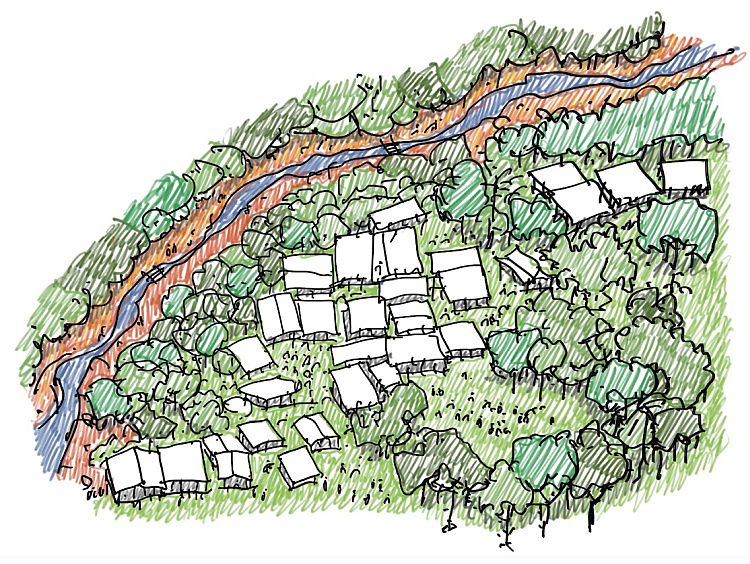
The project resulted in a coherent, values-led foundation that now shapes all aspects of the Tengah campus design, a rainforest of villages: each one a place to grow, to belong, and to be seen. This enabled:
- A shared understanding of what the new campus should enable for learners
- Clear Design Drivers guiding architectural and landscape decisions
- Strong alignment between wellbeing, sustainability and learning intent
- Confidence across the community that the campus reflects UWCSEA’s mission
With this framework in place, UWCSEA can move forward knowing that the physical environment will actively support its educational philosophy and long-term aspirations.