You don’t need a plan. You need a pause.
At a glance
Question: What could your school stop doing to give its best work more attention?
Central idea: A pause gives busy teams room to recognise what they do well, make a real choice and give it sustained attention.
Archive context: The visit to Finland and the 2025–26 school year refer to the original 2025 newsletter.
This week I’m in Finland, supporting another school at the beginning of their strategic planning journey. In the past week, I’ve met with a dozen schools joining us for 2025-26 to map out their future vision and plans.
Each school we work with would call themselves a “busy place”. Everyone’s doing important work. But everyone also feels a little breathless, a little thinly spread. Too many days are early starts and late finishes. Sound familiar?
In schools like this, the greatest opportunity isn’t to start something new. It’s to stop, take stock, and decide what not to do. Or more accurately, what to focus on - and keep focusing on - even when the day-to-day throws distractions at you like a game of Whac-A-Mole.
Our job at NoTosh is simple: we surface the real strengths of a school, explore the genuine choices they have, and support them in doing the hardest bit: choosing what to ignore.
Because in the world of school strategy, “busy” is often a red flag. It's a sign that clarity is missing.
In the interview phase for each project (every day is like a job interview for us), Board members often ask us: “Why can’t we just do this ourselves?”
And the honest answer is: you can try.
But if the solution were visible from the inside, you’d already have spotted it. You’d already feel calm, focused, with unstoppable momentum on the idea you care about most.
That’s just not how it works, though.
You can teach a donkey to climb a tree, but it’s easier to hire a squirrel.
Strategy should never feel like donkey work. Sometimes you need a squirrel, who’s got the skill and experience to show you the way.
Try this with your team
Ask your team what they would keep, stop and protect if they had to make room for one priority this term. Compare the answers before drafting a plan.
Next: You don’t need more data. You need this.
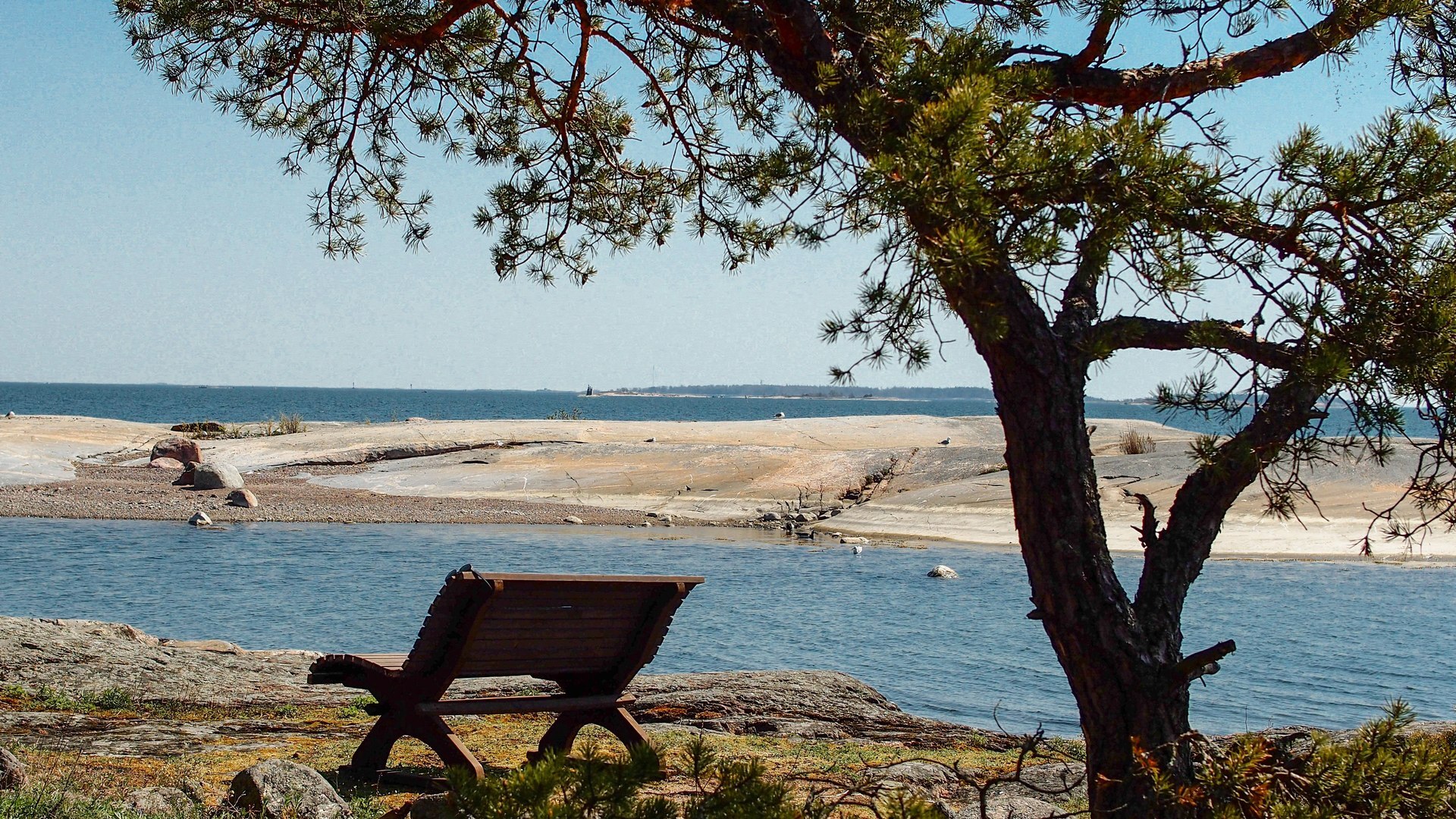
A bench overlooking the water in Helsinki: Pexels.