Thinking, Learning and Creativity
Thinking, Learning and Creativity: at a glance
A collection by NoTosh on creating the conditions for attention, thoughtful judgement and better ideas.
Topics: Attention, reflection, feedback, creative practice and experimentation.
Central idea: Better ideas need attention, useful feedback and room to think.
For: Teachers, school leaders and teams making time for deeper learning and creative work.
Make room for better thinking
Better ideas need attention, useful feedback and room to think. This collection explores how people learn, develop their judgement and make creative work possible amid the pressures of school life.
Sometimes the useful step is to pause and reconsider the tools, timing or habits shaping our work. These articles invite teachers and leaders to look closely at the conditions for thinking, and to create space for reflection and experimentation.
Explore the collection
Start with the conditions for undivided attention, then explore reflection, feedback and experimentation. The aim is to turn interesting ideas into approaches that people can try, question and improve.

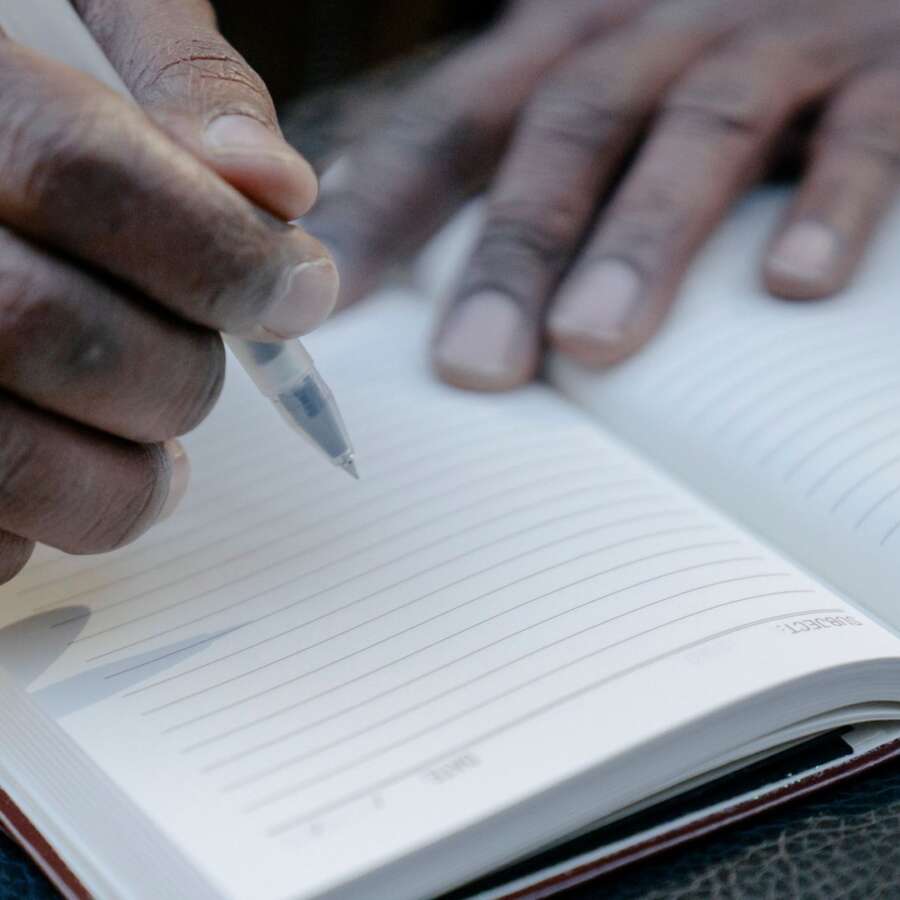
Would you use a teaspoon to dig a hole?
Choose a way of working that suits the scale of the job.
Find out more
How to unlock the magic of undivided attention.
Design for the attention your most important ideas deserve.
Find out more
How you can never run out of time.
Notice when the conditions for doing good work are in place.
Find out more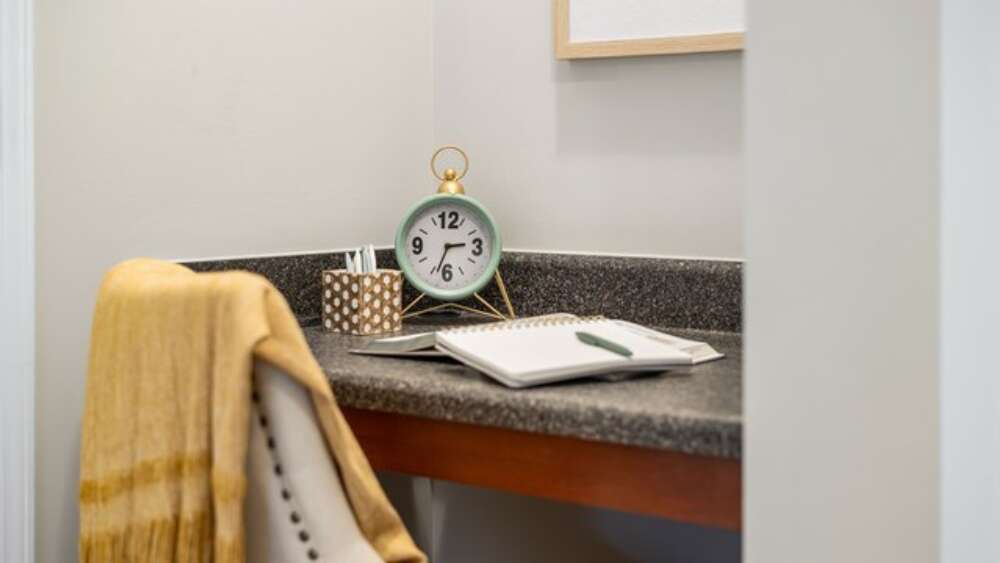
A new device that will open up conversations you’ve never had before.
Put your phone away long enough for a different conversation to start.
Find out more
Assume all new ideas are bad. Then work on them.
Treat an early idea as the start of the work.
Find out more
Improvisation beats planning, hands down.
Give people a shared structure and room to improvise.
Find out more
Efficient Process vs Happy Accidents
Leave room for unexpected results when you make a well-researched decision.
Find out more
Writing is thinking. Thank you for being part of our thinking.
Use writing to develop the ideas your team shares.
Find out more
Lessons from the unique move in every game of cards
Look at what changes with every move when you make a decision.
Find out more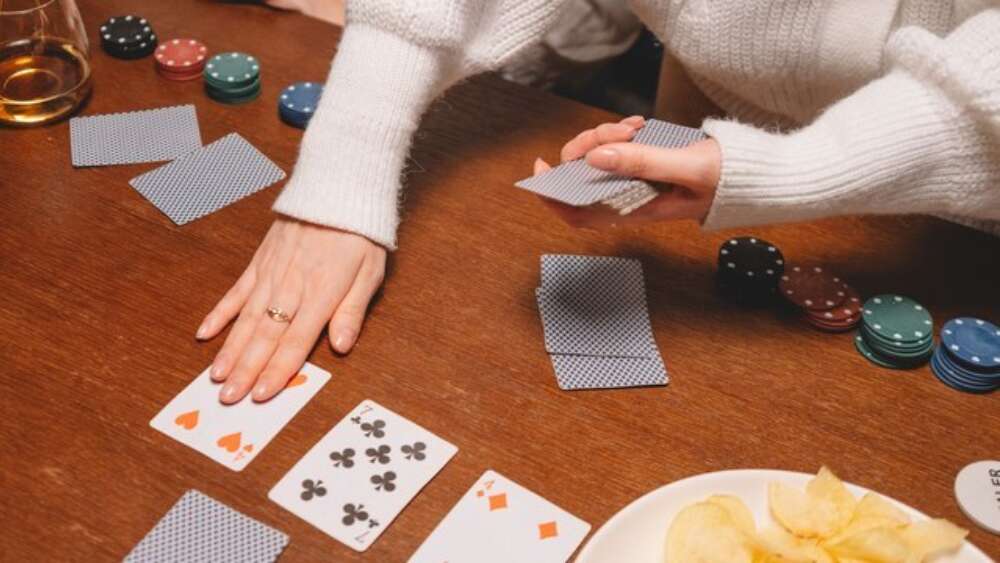
26 years ago I nearly became a spy.
Look beyond the obvious when you investigate a question.
Find out more
Want better learning? Design for this first.
Name what learners need before deciding what to design.
Find out more
“I love deadlines. I like the whooshing sound they make as they fly by.”
Look at what a deadline does to the quality of the work.
Find out more
I interrupted myself. Do you do the same?
Notice what happens when you interrupt your own focus.
Find out more
The problem with feedback? You might be starting in the wrong place.
Find out what people see in their own work before offering feedback.
Find out more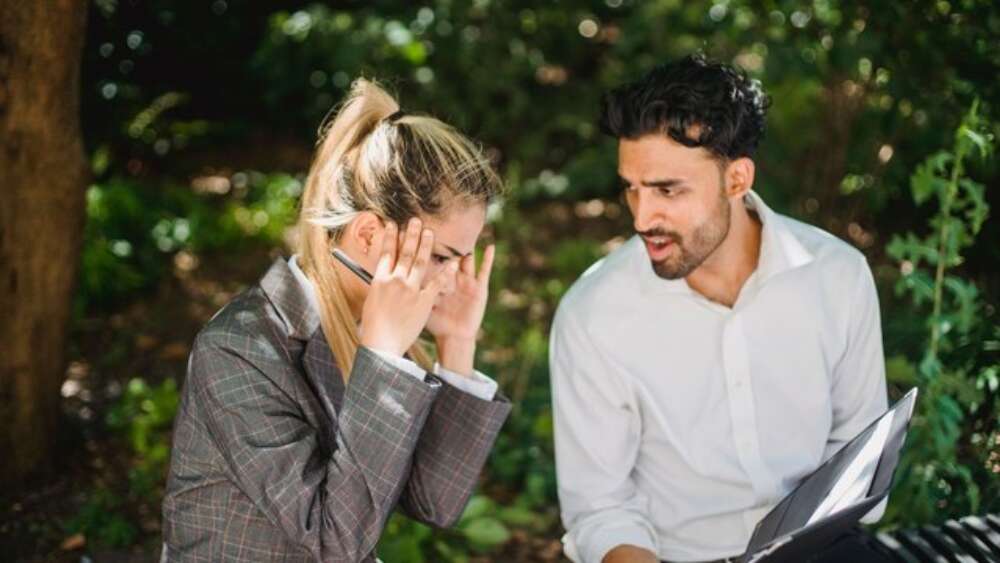
There is a background noise that boosts thinking. The other kind kills it.
Choose a working environment whose background sound helps you concentrate.
Find out more
What if your best decisions begin with doing nothing at all?
Step away from a difficult choice long enough to see it differently.
Find out more
What jazz legend Thelonius Monk can teach us about improvisation
Use your plan as a guide and respond to what the room needs.
Find out more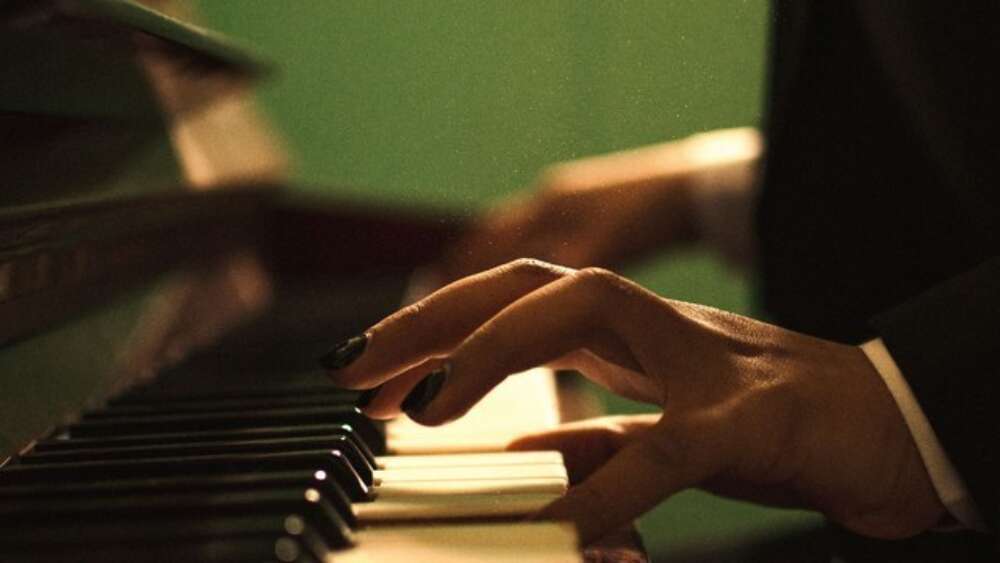
The beauty of a mistake, now legendary.
Notice what an unexpected mistake makes possible.
Find out more
Swimming on the living-room floor and other lessons we might avoid
Give learners a chance to practise in the conditions they will actually face.
Find out more
The most important thing you can’t yet see
Look for what others overlook before deciding which examples to follow.
Find out more
The best bit of fish pie isn’t the fish pie
Pay attention to what the making of something teaches you.
Find out more
Don’t Waste “Tired You”
Make decisions about rest and routines while you have energy to think them through.
Find out more