Don’t Be Ridiculous
At a glance
Question: What could an everyday school communication make someone feel?
Central idea: The small things a school makes, from a visitor badge to an admissions email, can show care and imagination while doing their everyday job.
“That’s ridiculous.”
It’s one of my favourite starting points for a new idea. Not “that’s sensible” or “that’s efficient” or “but that’s what everyone else is doing”.
“That’s ridiculous” is where great ideas can be found.
When something feels ridiculous, there’s often a battery of questions being answered at once.
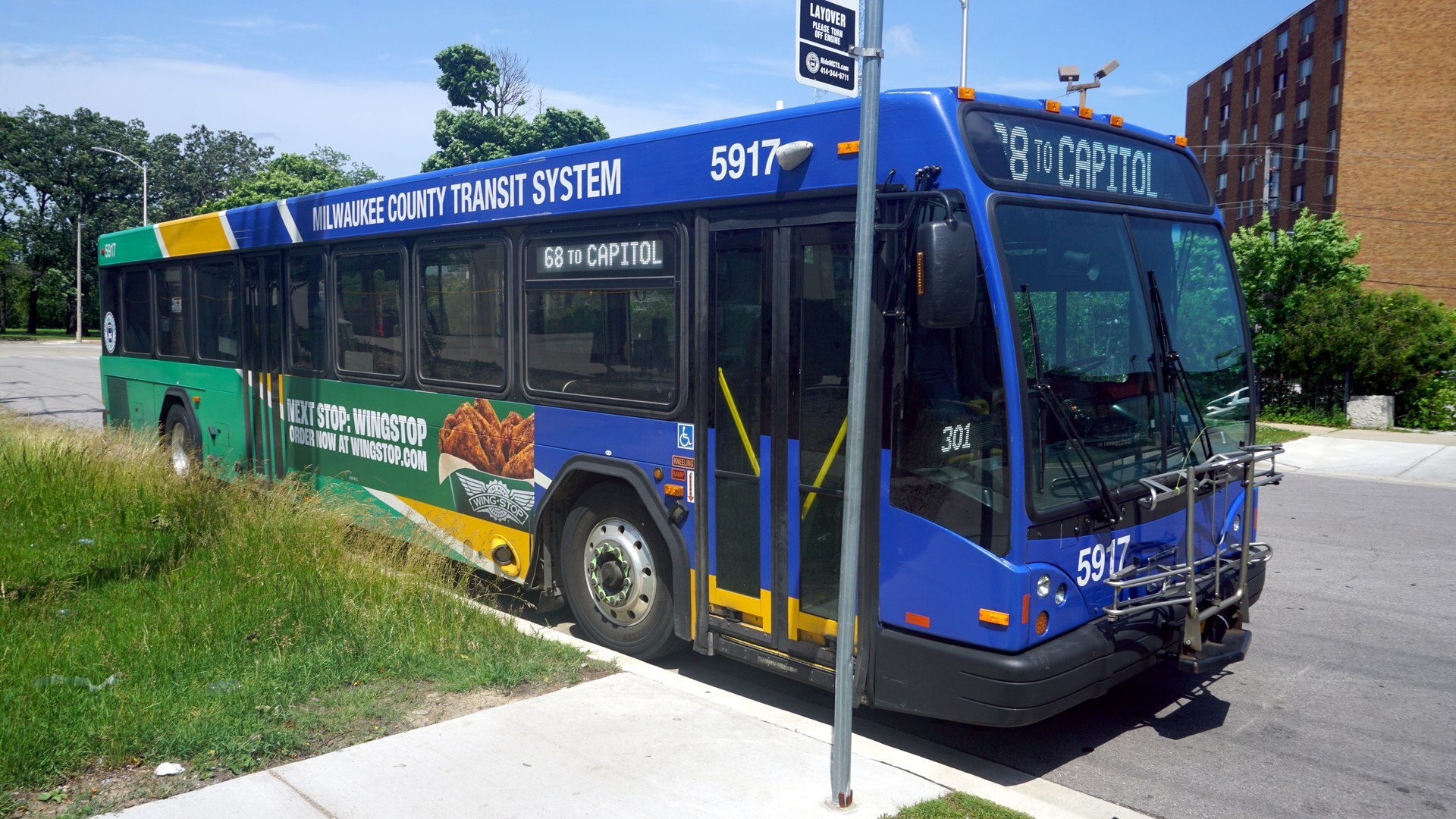
I had that reaction this week when I came across a photo set of old Milwaukee bus tickets.
Milwaukee retired its weekly paper passes in 2016. From the 1930s onwards, many of those weekly designs were brightly coloured and hand-lettered, with wildly different illustrations. Each one was a miniature piece of public transport art.
My first thought was: why on earth would a public bus corporation go to the pain of designing a different ticket for every week of the year? And why would they make them so beautiful?
Surely a ticket just needs to do its job: show that the person has paid their fare and survive a week in a pocket. Job done.
Except that wasn’t the only job needing done.
A conductor needed to see quickly whether a pass was current. Bold week numbers made that easy to check. The lettering and illustrations also gave each week a character of its own.
And it’s easy to see what a practical paper pass could also become: a miniature billboard in the pocket of every rider.
A device to demonstrate civic pride, care and attention to detail, and with every week’s release, it was a way to introduce a smile in the mind of every citizen.
That’s the bit I can’t stop thinking about.
Schools have their own versions of the weekly bus ticket.
The lunch card.
The admissions email.
The visitor badge.
The newsletter.
The sign at reception.
The slide deck at the parents’ information evening.
The allergies form.
Most of these things are designed to function, and while that matters, function alone is a low bar.
A school communication can be accurate and still feel cold, efficient and still feel generic.
It can be clear and still be utterly forgettable.
In an age of digitised transport cards, cafeteria payment systems, portals, repositories, templates and automated emails, have we slowly taught ourselves that beauty is a luxury? Some decoration to add later once the “real work” is done?
I think that’s backwards. Beauty is not decoration. Beauty is a signal.
Beauty tells people: we believe this moment matters.
It shows that someone thought about how you would feel.
It tells staff that the small things are part of the big story.
It tells students: this place has standards, care and imagination.
Don’t tell me Creativity matters as a word on your values poster, and then not give a thought to the beauty of the everyday.
Beauty doesn’t need to cost the earth. It’s how you write a sentence tighter. It’s how you warm things up with the right dose of humour. It’s how you make a point of getting good photos and videos of the banal, day-to-day of school life (and not just the special events). It can be the thoughtful takeaway to the child on an admissions visit.
This is where many schools get stuck. They think brand lives in the big things: the logo, the prospectus, the website, the campus tour. But the brand - or the school’s story - is far more often built in the smaller moments.
The story gets built in the bus ticket moments.
In the end, the question is not whether your school communicates.
Of course it does.
The question is whether your communications make people feel something worth remembering.
Try this with your team
Pick one routine communication, such as a sign or welcome email. Make one change that would help the person receiving it feel noticed.
Next: Listen at scale. Lead from the signal.
A Milwaukee County Transit System bus. Photo by Michael Barera via Wikimedia Commons, cropped, CC BY-SA 4.0.