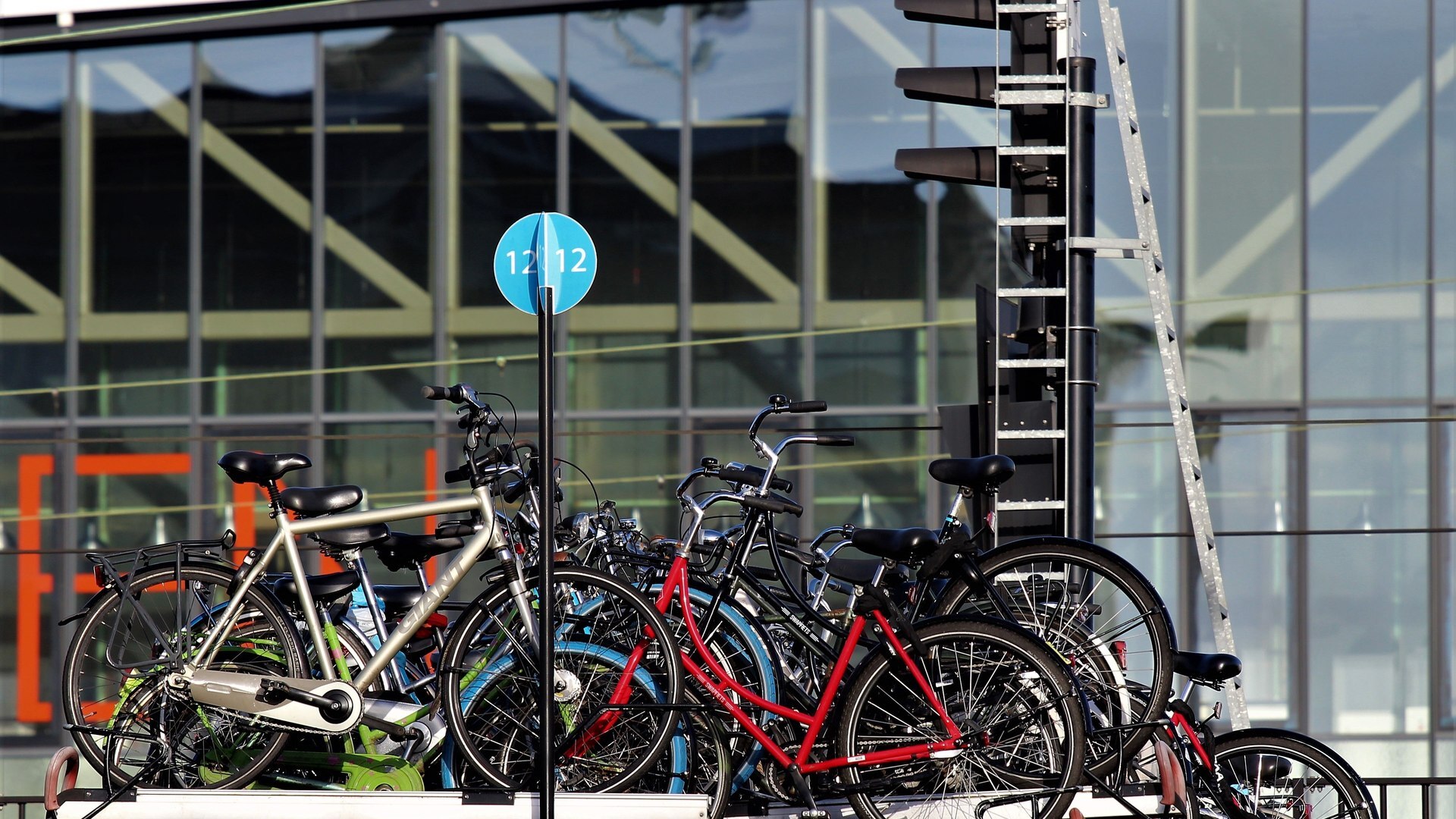
Bikeshedding: you probably do it every week.
At a glance
Question: What’s the big decision your team is avoiding?
Central idea: Teams can spend their meeting time debating details that everyone feels able to judge. Name the decision that matters and give it the time it needs.
Have you been in a meeting where the biggest debate was over the brand of coffee in the staff room, while the real strategic decisions got rubber-stamped in minutes? There’s a name for that.
Bikeshedding.
It comes from a British naval historian.
Cyril Northcote Parkinson is behind Parkinson’s law: work expands to fill the time given to it.
That’s why everyone in schools thinks everything takes nine months to happen.
That’s why, since 2010, our team has tried to make everything take nine weeks instead. It’s not just possible: the work is often better (and mistakes get killed off quicker).
But in researching his law on productivity, Parkinson noticed something odd: the less important a topic, the more time people spend on it. He called it the law of triviality.
Here’s how it works. Imagine a committee with three things on the agenda:
- A $35 million masterplan to update the facilities
- A $350 bike shed for staff
- A $35 per person annual coffee budget
The masterplan? Too complex. Too intimidating. So they move on or agree to let the Operations Director crack on with choosing architects.
The bike shed? Everyone’s got an opinion. They debate colours, materials, locations.
The coffee budget? Now we’re in real trouble. That’s when the real battle begins…
It’s easier to obsess over the small stuff—things we feel qualified to weigh in on—than tackle what really matters.
In the example above, getting the architects in to help you is a fatal mistake. The first decision is to decide what kind of learning experience you want for young people and the adults working with them. That’s what we do.
Schools, businesses, and leadership teams fall into this trap all the time. Big strategic decisions — what kind of school we want to be, what really needs fixing — get sidelined by endless debates over trivialities.
School leaders can believe their vision is clear and still find that others struggle to recall the priorities. In a study of 124 organisations, only 28% of the executives and middle managers responsible for implementing their strategy could name three of their company’s priorities. What would your staff or your architect say yours are?
So next time you find yourself locked in a debate over the colour of the new chairs or the layout of the newsletter, ask:
Are we bikeshedding?
And if we are, what’s the big decision we’re avoiding?
Try this with your team
At your next meeting, name the most consequential decision on the agenda. Give it a fixed slot and agree which smaller decisions can be delegated.
Next: Why schools ride dead horses (and how to stop)
Bicycles parked in a covered rack: Pexels.