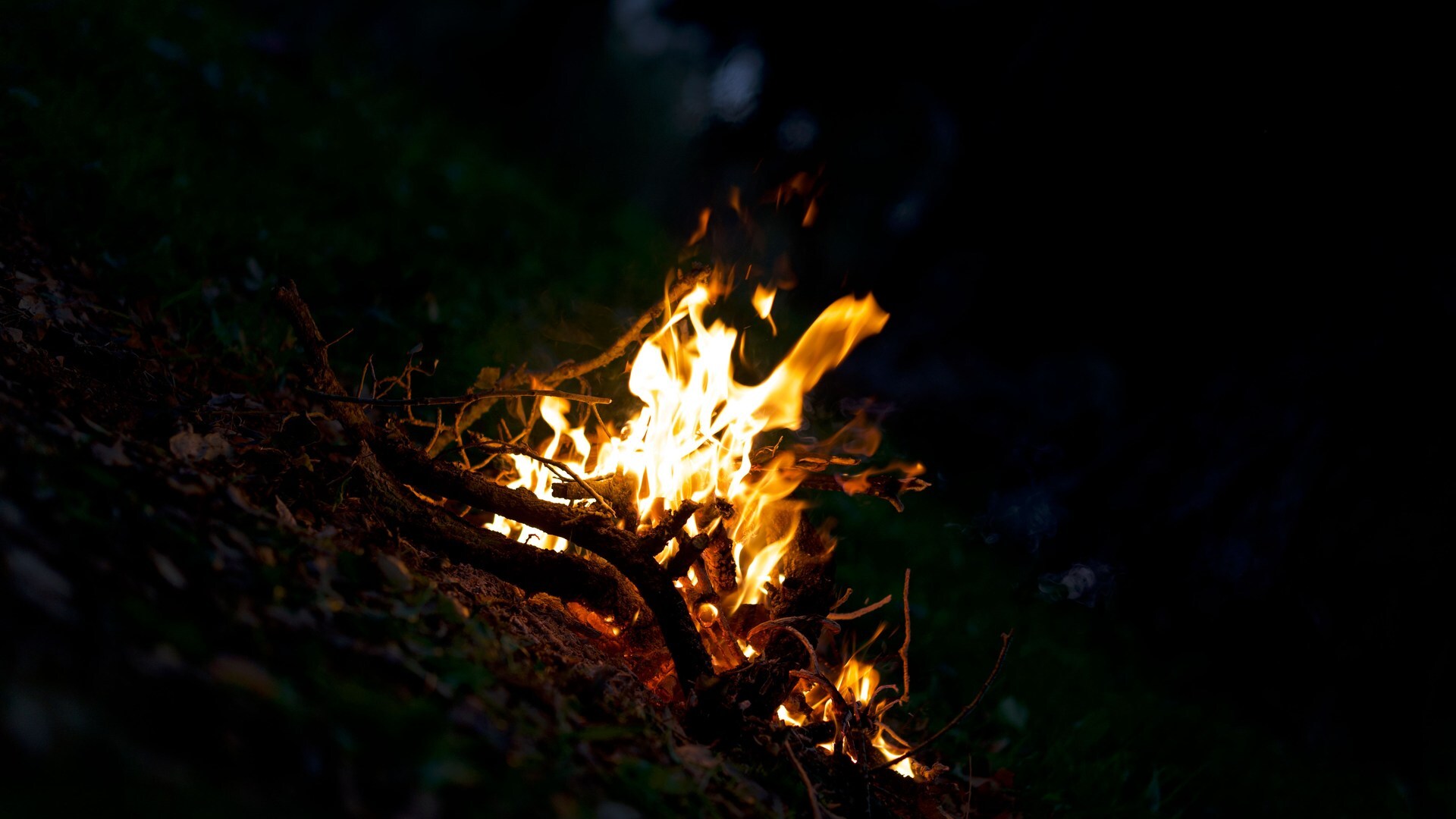
Have you got fire in your belly?
At a glance
Question: What gives learning enough energy to sustain itself?
For: Teachers and leaders building a culture of trust.
Takeaway: The relationship between teacher and student supports curiosity, independence and the confidence to take a risk.
I spent July reading Provocations from colleagues sunning themselves in the northern hemisphere. In the interests of equal reporting, this Provocation comes to you from a cold Australian father-son mid-winter weekend getaway.
One of the many things my twelve-year-old son and I love to do together is build fires. Don’t worry: they’re controlled, safe, manageable fires, not the pyromania-driven arson bush fires that seem to occur so much more often in our country.
We are fortunate to have a little open fire place at home so we’ve had plenty of practice building fires. I’ve taught my so that a good fire needs three key elements: heat; fuel; and oxygen.
As I was sitting in front of our latest fire I started thinking about those three components in relation to education.
The heat is the teacher - passionate, full of energy, generating excitement.
The fuel is the student - ready to absorb the energy and create something, transforming from a metaphorical lump of wood to charcoal that can pass the heat on to the next person or idea.
Then there’s the oxygen, an unseen, hard-to-control element. You don’t even know where it’s coming from, and yet without it you’d have no fire at all. In fact, the oxygen IS the fire.
So, how does this element fit in my education analogy? Our oxygen is the relationship between teacher and student. It’s the bit that’s hard to see, hard to measure, hard to engineer or create on purpose.
But when it’s there it causes sparks and flames; it drives the whole engagement.
It’s a sense of ‘knowing’ each other, the care and consideration given to students by teachers and to teachers by students. It’s the trust given to students that they can achieve anything and the trust given to teachers that they will guide things in a fruitful direction. It’s the independence students have to try things on their own, and the safety net teachers create to catch those who try and fail.
Like a great fire, great learning really is all about the oxygen.
One last thing, I can’t talk about making fires without telling you about the latest fire making technique my son showed me (the student has well surpassed the teacher here). It’s called the Swedish Torch. This is our latest attempt:
It’s designed in such a way that the wood can burn for hours without prodding and poking. The reason this fire works so well is because we bring the elements closer together: the virtuous heat-fuel-oxygen circle is self-sustaining. The effect is amazing.
How could we reduce the distance between our three elements of learning to have a more sustainable and powerful effect?
Try this
Ask students when they feel most comfortable trying something new. Pick one thing they tell you to build into the next lesson.