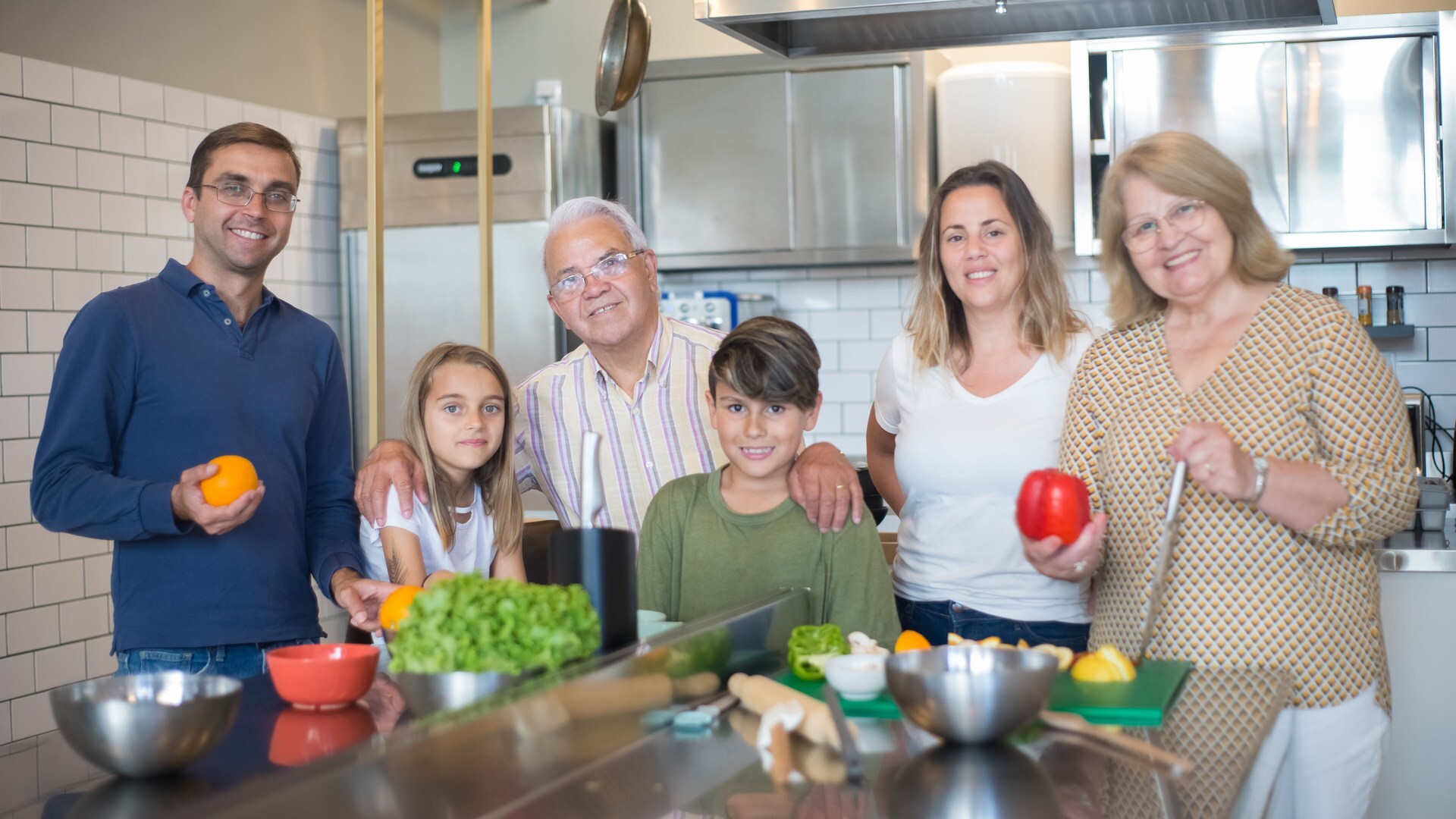
Collaboration or cooking: which matters more?
At a glance
Question: What do students need to feel capable in everyday life?
For: Curriculum leaders and educators reviewing what their school teaches.
Takeaway: Start with what learners need to do and use those tasks to teach broader skills.
Ask most schools which is more important: collaboration or cooking, and you’ll likely get the same answer.
One is a key 21st-century competency, they’ll say. The other, a life skill best left to home economics. Guess which wins?
But spend any time in schools working with young people who’ve fallen through the cracks and the answer becomes less obvious.
A few weeks ago I was in a curriculum planning session with a pioneering school. They help young people at risk of falling to the fringes of society become those at the heart of it.
I brought a list to the session. Not of values or abstract skills. Not the ‘7Cs’ or ‘metaskills’. But a list of hard, concrete, practical things: forklift driving, touch typing, making a bed, using Photoshop, opening a bank account.
The energy in the room shifted. Staff leaned in. Conversations deepened.
It wasn't that these educators didn’t value high-order thinking; they really do. It’s just that things changed when we thought about what their learners actually need to thrive. To feel capable right now (not just prepared for the future). To step into adulthood with confidence.
This isn’t just about alternative education. Across all school types, more parents are hoping schools will teach the basics they don’t have time or resources to cover at home. Things like how to cook a simple meal. Or hold a conversation. Or get up on time.
But many schools hesitate. They reason that collaboration is more important than cooking. That curiosity should come before cleaning. That empathy trumps etiquette.
But is that really true?
At that same school, we encouraged the team to list the skills a middle school student might need—not to pass a test, but to get on in life. They came up with: hygiene, manners, maintaining a routine, managing time.
Unsurprisingly, these weren't being taught. They weren’t even being considered.
And yet, for many students, these are the invisible hurdles. The things you’re assumed to just know, until you don’t. The silent curriculum that makes the difference between success and struggle.
So here’s the provocation: What if the real advantage isn’t another round of collaborative projects—but knowing how to boil an egg? Or plan a weekly schedule?
If schools are serious about equity, then maybe it’s time to rethink the “basic” in basic education.
Not just what it looks like—but who gets to have it.
(Jeremy)
Try this
Ask students for one everyday task they want to do independently. Plan a small opportunity to teach it and identify the wider skills the task brings into play.