Designing schools that support contemporary learning
Department of Education, Western Australia
Why this project mattered
Across Western Australia, new schools and refurbishments were being delivered at scale to meet growing demand. While investment was significant, there was a risk that buildings could prioritise efficiency over educational intent. In short: they all looked the same regardless of local context.
NoTosh worked with educators and experts across the State to create The Education Brief, ensuring that school design decisions are grounded in how learning actually happens, and that environments actively support students and teachers from day one.
Challenge and context: scale, consistency and educational intent
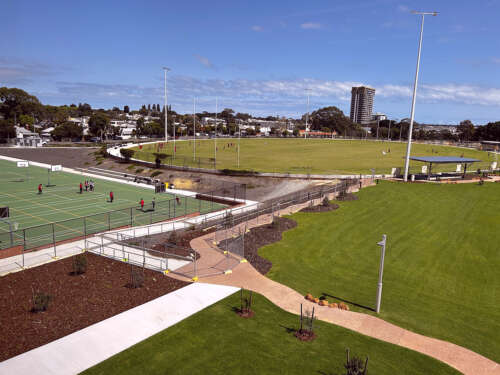
Designing schools at a system level brings unique pressures. Projects must respond to tight budgets, varied sites and fast timelines, while also serving diverse communities and learning needs. Without a clear educational lens, there is a risk that schools look modern but fail to support contemporary teaching practice, or to respond to local needs. A school in rural Western Australia doesn't have the same needs as one in an urban centre.
The challenge was to create a set of design drivers and a toolkit that make it easy to embed learning-first thinking into design decisions. The second challenge was making sure that this would work across multiple schools and contexts.
Insight and approach: translating pedagogy into practical design
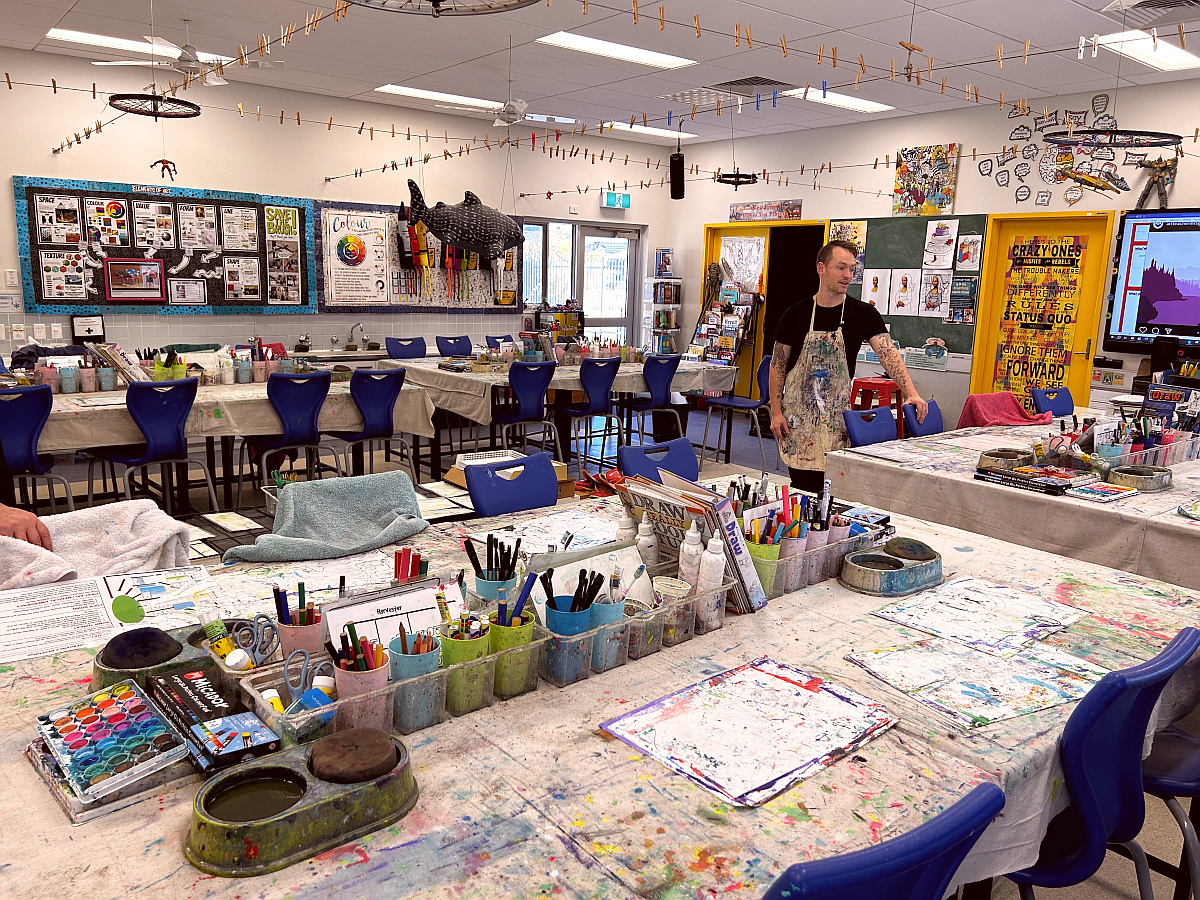
We focused on how teachers and students experience school environments every day, identifying patterns that either support or constrain learning. This work highlighted the importance of clarity, flexibility and usability in school design.
- Teachers teach more confidently in spaces that are intuitive and adaptable
- Learning benefits from visibility, connection and access to shared areas
- Simple design moves often have greater impact than complex features
- Schools need environments that can flex as pedagogy and enrolments change
These insights shaped guidance that connected curriculum intent directly to spatial decisions, ensuring design choices were purposeful rather than cosmetic.
By grounding the work in everyday practice, the approach supported designs that teachers could genuinely use and trust.
Co-design and engagement: aligning stakeholders around learning
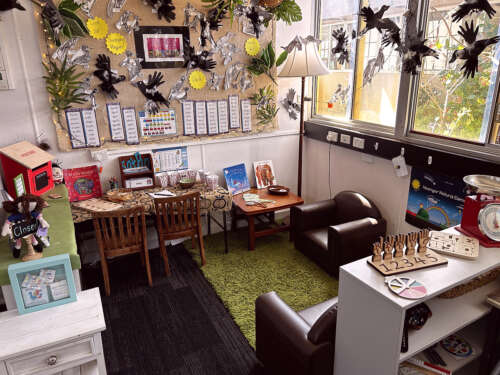
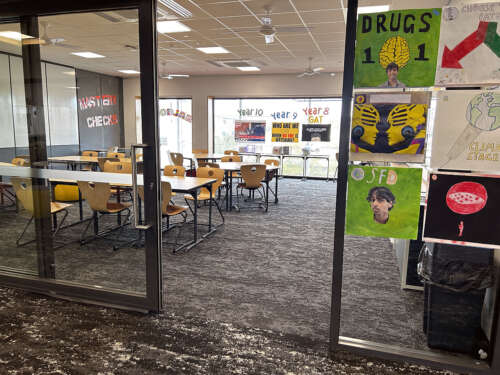
Educators, families and Department teams contributed insights through workshops that surfaced authentic routines and conditions. The Toolkit we published through the Government of Western Australia illustrates how each principle can translate into practical space design strategies, helping schools imagine what design could offer in their local context.
Best of all, the Toolkit works for refurbishments and minor adaptations just as well as in new builds.
Outcomes and impact: schools built for use, not just completion
The work resulted in clearer alignment between school design and contemporary learning needs across Western Australia. This enables:
- School environments that better support collaboration, focus and movement
- Greater confidence among teachers using new and refurbished spaces
- More consistent learning experiences across different schools
- Design guidance that supports long-term adaptability and value
As a result, new schools are better equipped to support teaching and learning from the moment they open, while remaining flexible enough to evolve over time.